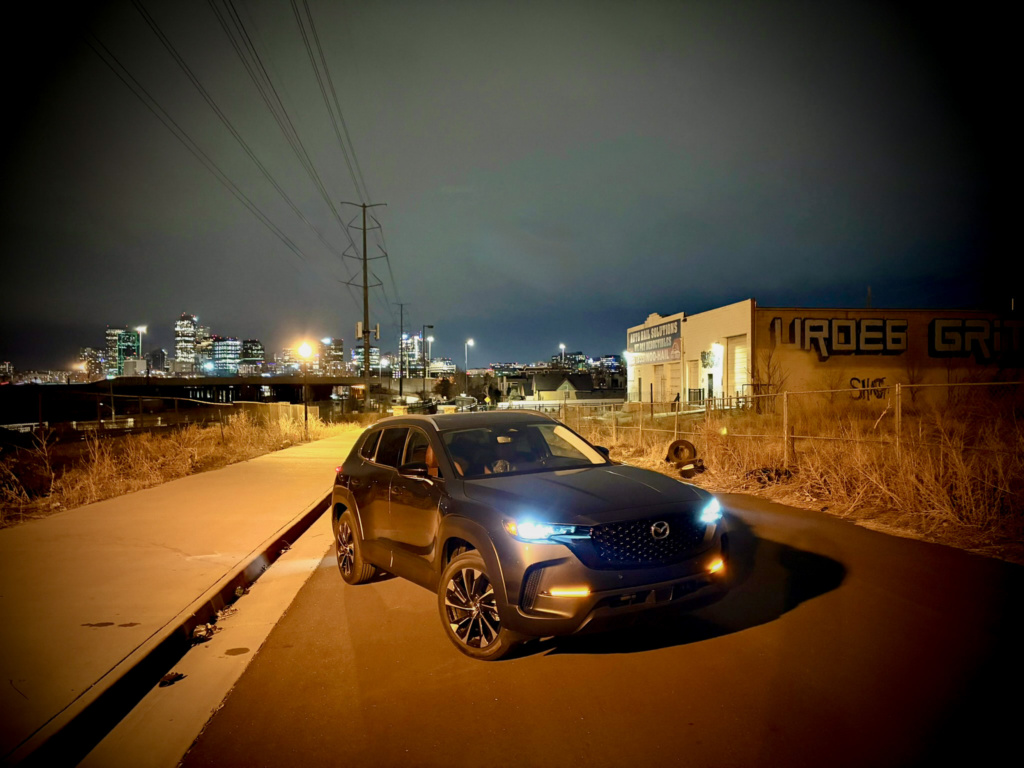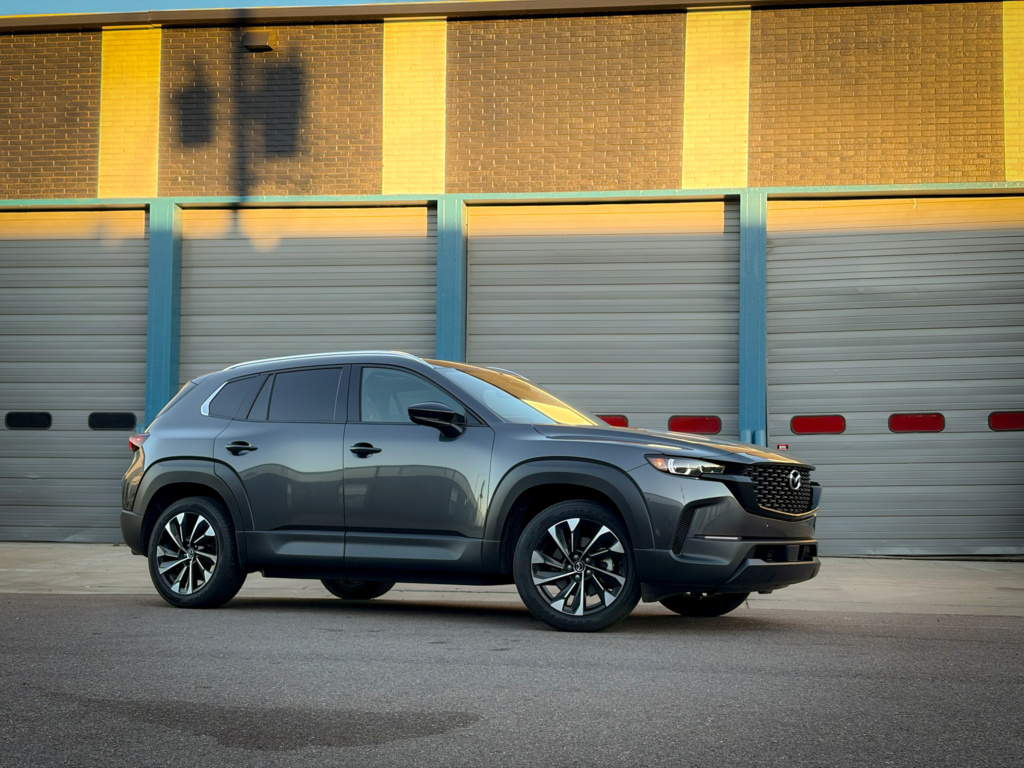
Mazda partners up with Toyota to deliver the CX-50 Hybrid for 2026 and, as Mazda already produces the gas-only crossover at their joint-owned plant in Alabama, adopting the “plug-and-play” Toyota Hybrid System wasn’t a far-fetched concept. And indeed, the CX-50 Hybrid delivers the expected excellent fuel efficiency and around-town smoothness, but its battery capacity is only so great, and in the canyons, it can only deliver full power for a short period, leaving this CX-50 Hybrid feeling more practically-natured than engaging, or in Mazda terms, more scoot-scoot than zoom-zoom.
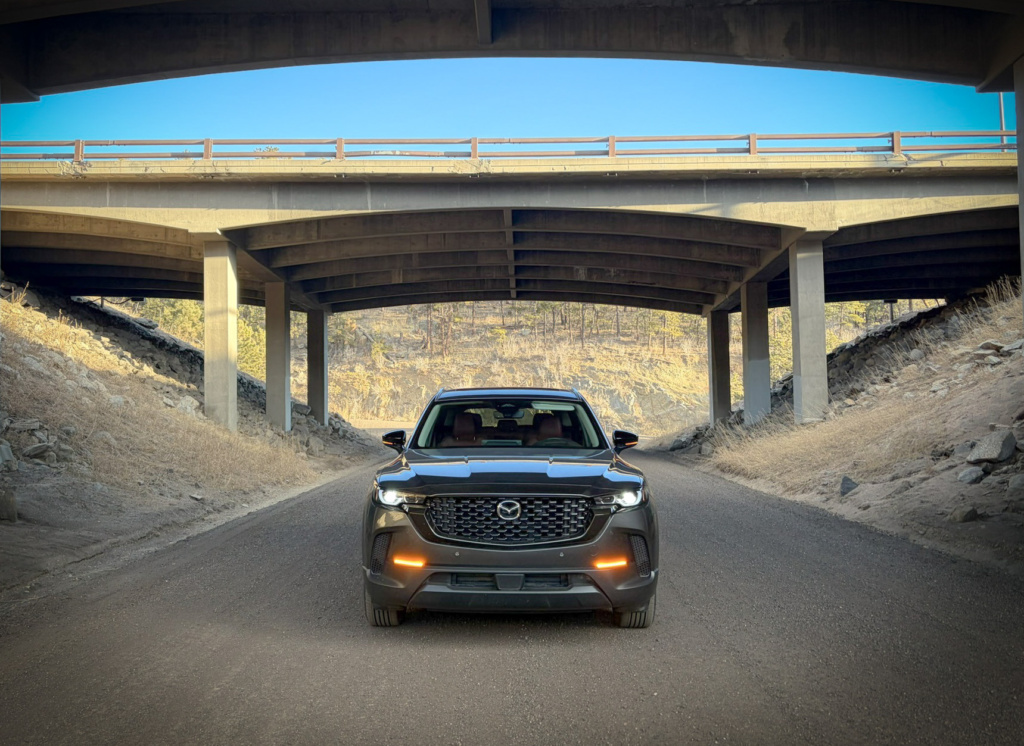
The CX-50’s design is far boxier than Mazda’s other midsize two-row crossover, the CX-5, and it exudes an un-Mazda-like ruggedness with its exaggerated fenders, large molded-in-black fender flares, and lower-body cladding. There’s even a Trail driving mode.
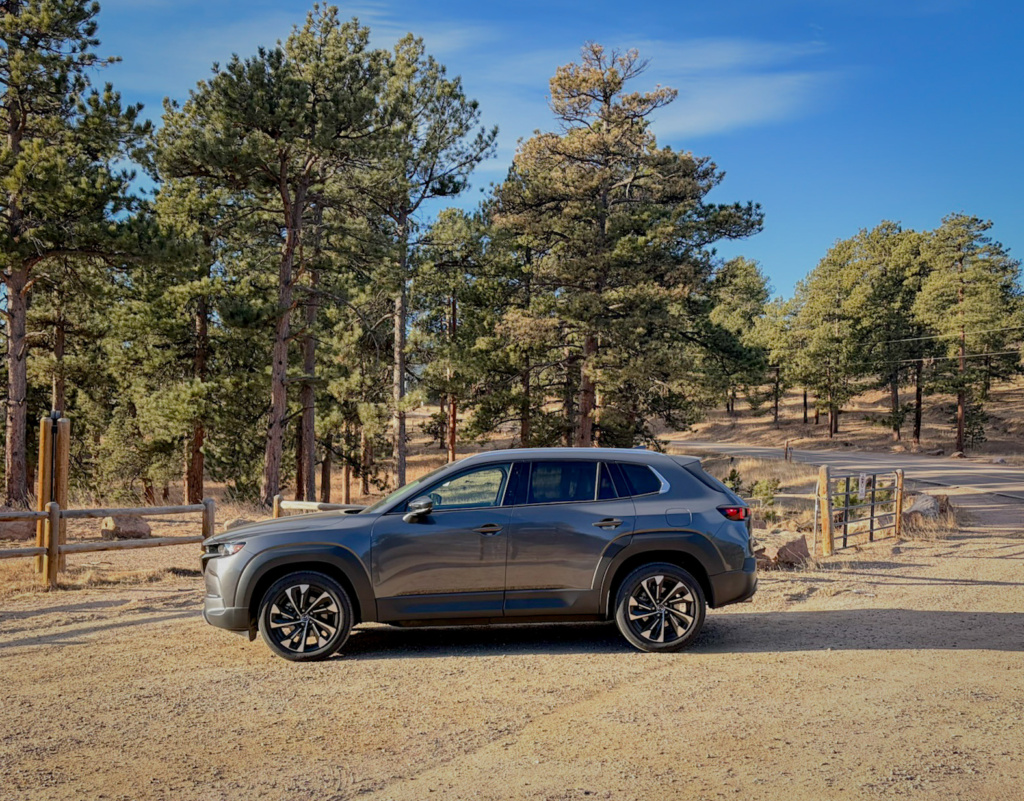
But don’t be fooled by the design’s messaging; the CX-50 is best left to paved roads, where its Mazda-typical sporty ride delivers quick turn-in and well-sorted body motions. Its tuning is particularly notable when winding through mountains, making it easy to place and move through the curves and carry a smooth arc.
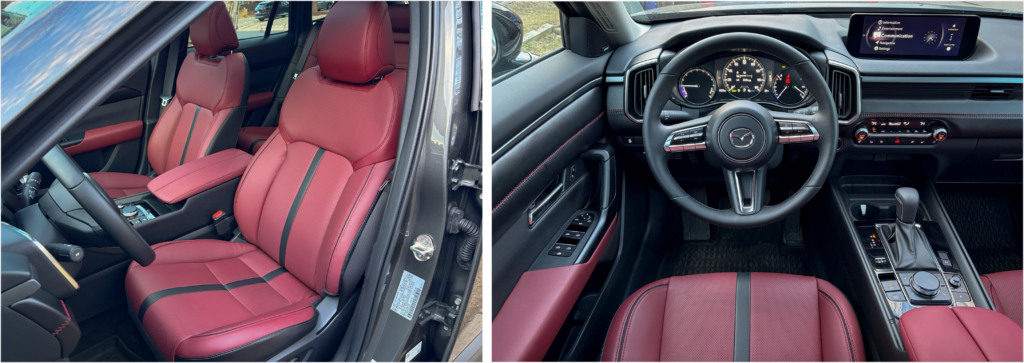
But despite the athletic chassis, good seat bolstering, and driver-centric dash design, full connection with the machine is forever obstructed by the modest settings of the non-defeatable stability control. Avoiding the system’s reprimanding limit becomes the goal rather than enjoying the drive. Making things worse, its straight-line acceleration feels lackluster with a depleted battery.
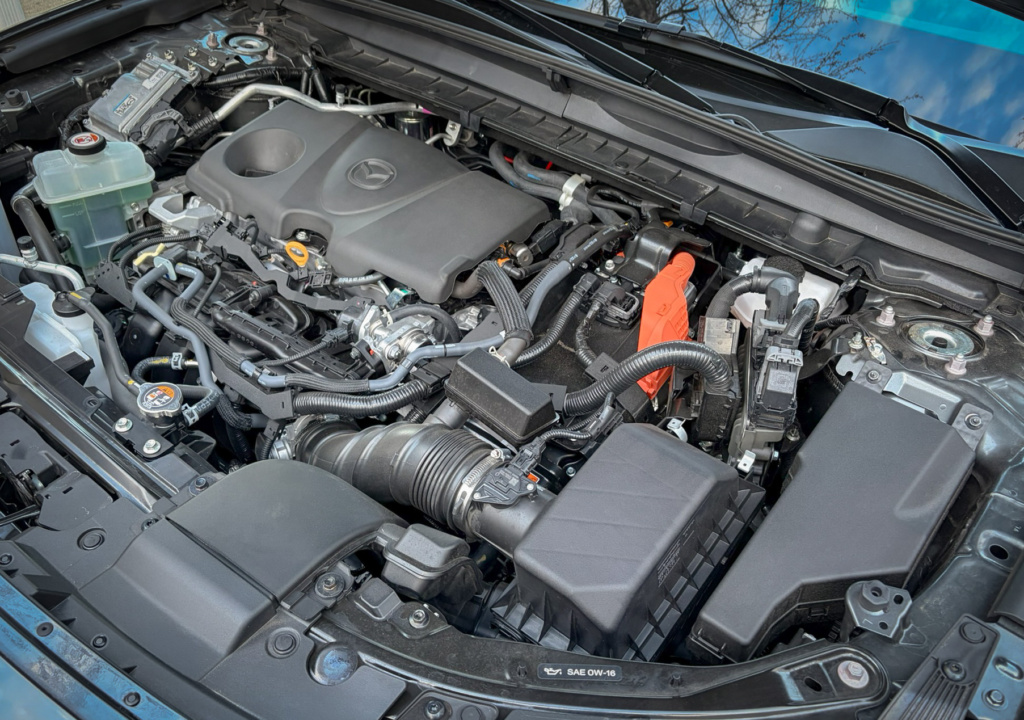
Part of that feeling is created by the nature (and allowed behavior) of the continuously variable transmission, not to mention the Hybrid’s 4,000-lb curb weight. Granted, the 2.5-liter four-cylinder engine is tuned for efficiency, but it sounds to be working awfully hard at highway speeds. When hustling in the canyons, the CVT’s “manual” mode helps keep the engine awake, but the acceleration isn’t always predictable and can be frustrating when trying to be smooth and fast. That said, the brakes proved especially strong and fade-resistant.
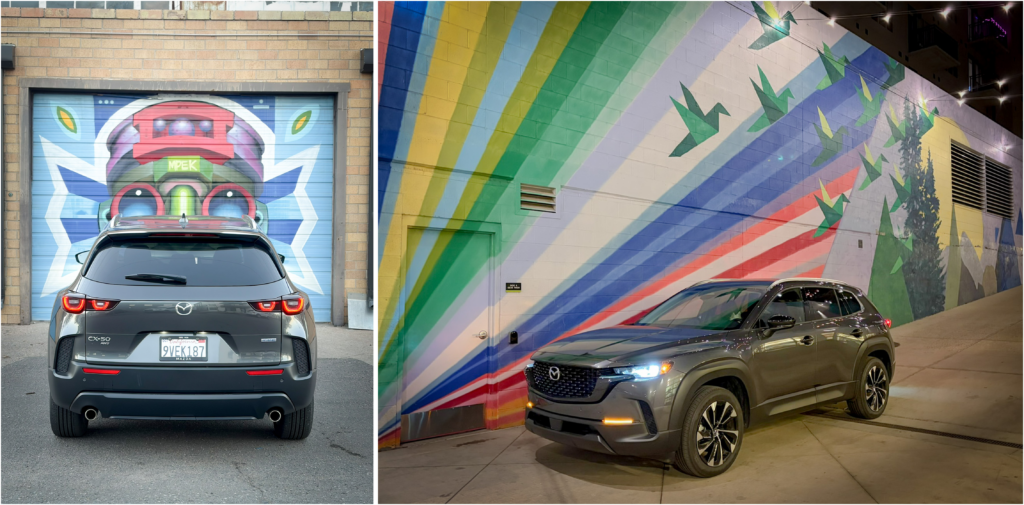
It’s clear the CX-50 isn’t your go-to off-road companion, and it’s not going to encourage extended husting on winding roads. But it’s those same characteristics that make the CX-50 so well suited for city life, where the agile chassis, good outward visibility, and responsive motorized powertrain add ease to everyday commuting. And even when it’s stuck in gridlock or pulling up to the valet, the Mazda’s premium details, such as the premium paint finish, crisp LED exterior lighting, and animated turn signals present a modern, upscale appeal.
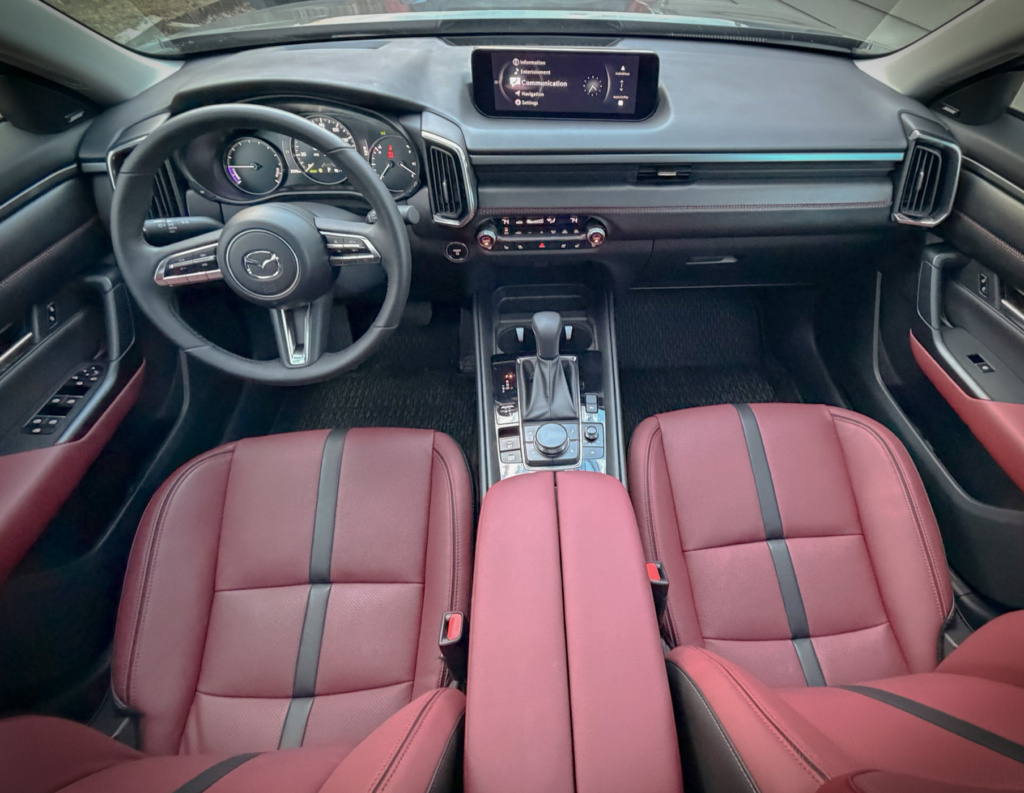
The mainstream+ aura continues through the interior, as well, with high-quality materials, padded touch surfaces, contrast stitching, and plenty of physical controls such as the central controller for the infotainment system and buttons for the HVAC controls and (importantly) the seat heaters.
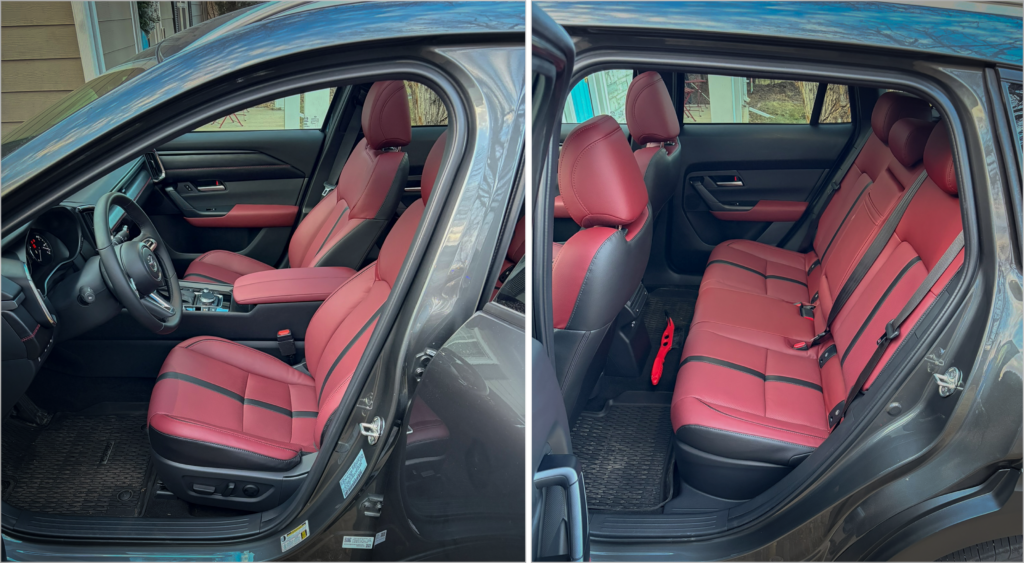
On the practicality front, the CX-50 offers good interior space; however, it’s not class-leading. That’s not a result of the packaging of the Hybrid system, whose battery is tucked neatly under the seat, but simply a result of the competition’s ability to provide more than ample space. The rear seat folds to create a continuous flat surface and opens up to 56 cubic feet of space, which again, is vast but mid-pack.
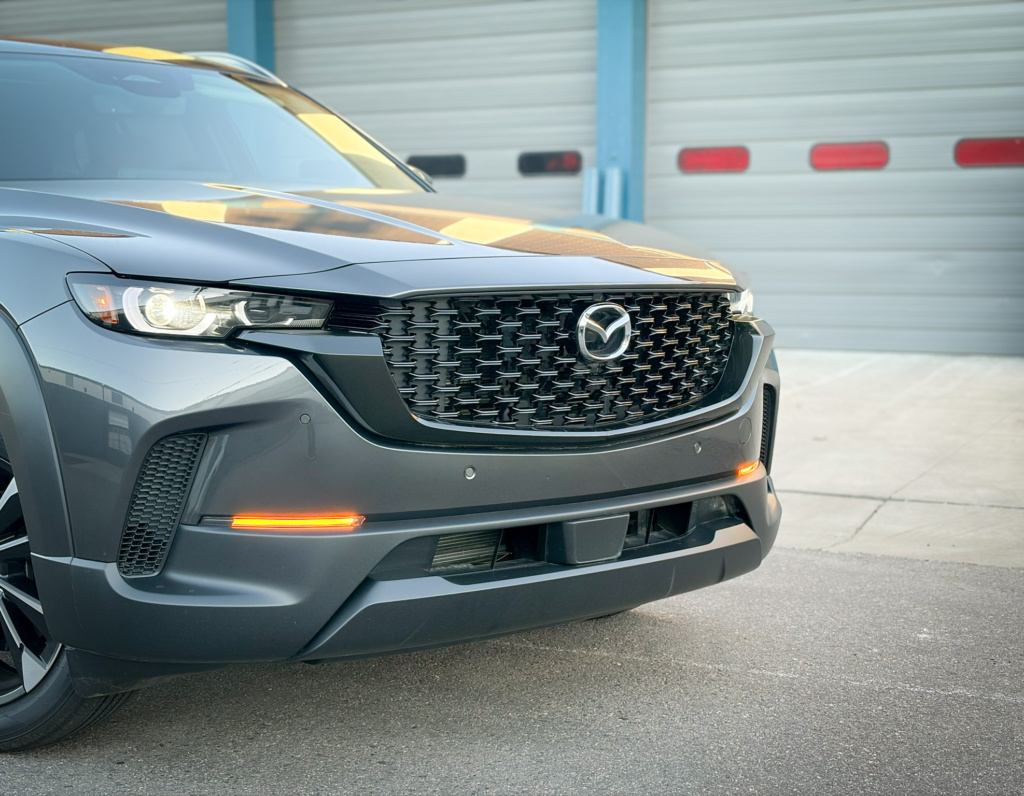
The Mazda CX-50 Hybrid casts a wide net for customers with its off-road flair, confident handling, premium materials, and an efficient drivetrain. The hybrid system’s lack of sportiness, however, could have enthusiasts holding out for a homegrown system that speaks the zoom-zoom language more fluently.